
Vanilla vs. Vanilla Bean vs. French Vanilla

By Kristie | January 1, 2026 (Updated)
If you’ve ever stood in a grocery aisle staring at “vanilla,” “vanilla bean,” and “French vanilla,” you’re not alone. These labels get used on ice cream, creamers, coffee syrups, and even protein drinks, and they do not all mean the same thing.
Quick Answer:
- Vanilla usually means a general vanilla flavor profile, and it may come from vanilla beans, vanilla extract, “natural flavors,” or artificial flavor compounds.
- Vanilla Bean usually signals vanilla flavor that actually comes from natural vanilla beans and often includes visible flecks (aka vanilla caviar) from the beans.
- French Vanilla is not vanilla from France. It refers to a richer, custard-like vanilla profile associated with using egg yolks in a classic French-style custard base, especially in ice cream.
If you care most about how it tastes in coffee, keep reading, because the best choice depends on whether you’re making a latte, iced coffee, cold brew, or using a creamer.
Why Vanilla Labels are confusing
Companies do not always have to use real vanilla beans to create a “vanilla” flavor. A product can taste like vanilla because it includes:
- vanilla extract
- vanilla bean ingredients (powder, paste, or real beans)
- “natural flavors” that create vanilla flavor
- artificial flavor compounds
This is why why two products that both say “vanilla” can taste completely different.
What does natural flavor mean?
First of all, let’s bust the myth about natural flavors being inherently “better” or “pure.” Natural flavors, according to the FDA, are flavors derived from an edible source.
For example, with vanilla, the main chemical compound responsible for its characteristic flavor is vanillin. But there are many different edible sources for vanillin, including corn and cloves. So this means that the vanillin in food labeled “natural vanilla” could come from sources that have nothing to do with the real vanilla plant. All this can be done right under our noses, without our taste buds being any the wiser.

Practical takeaway for coffee: “natural flavors” tells you very little about whether the flavor will taste like true vanilla bean in a latte. You need more context from ingredients, brand quality, and your taste preference.
How does it differ from artificial flavor?
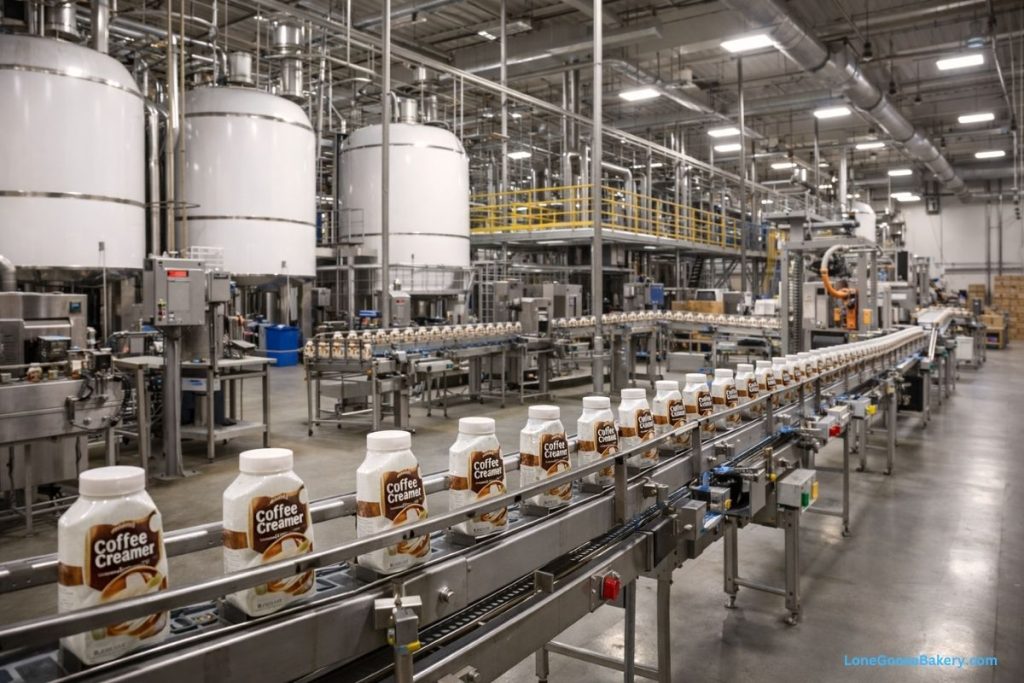
On the flip side, artificial flavors are man-made chemicals. These chemicals, such as synthesized vanillin, undergo testing to ensure that they’re safe for consumption, but it is impossible to perfectly . Over time, many consumers have started prioritizing natural over artificial flavors due to flavor differences.
Practical takeaway for coffee: artificial vanilla often tastes “sharp” or “thin” in milk-based drinks, while higher-quality vanilla bean style products tend to taste fuller, especially in lattes.
Vanilla vs. Vanilla Bean vs. French Vanilla: The Real Differences
1. Vanilla Flavor
“Vanilla Flavor” is the broadest label. It can mean anything from real vanilla extract to vanilla-like flavoring built from natural flavors, but it often means products made with artificial flavor compounds.
Best for:
- Products where flavor doesn’t matter
- People that want to prioritize cost over quality
Artificial vanilla flavor works well in cheaper gas station coffee and cheaper baked goods, but quality matters more in coffee shop and homemade coffee drinks including lattes, macchiatos, and cold foam because milk amplifies the peculiar off-notes of artificial flavors.
2. Vanilla Bean
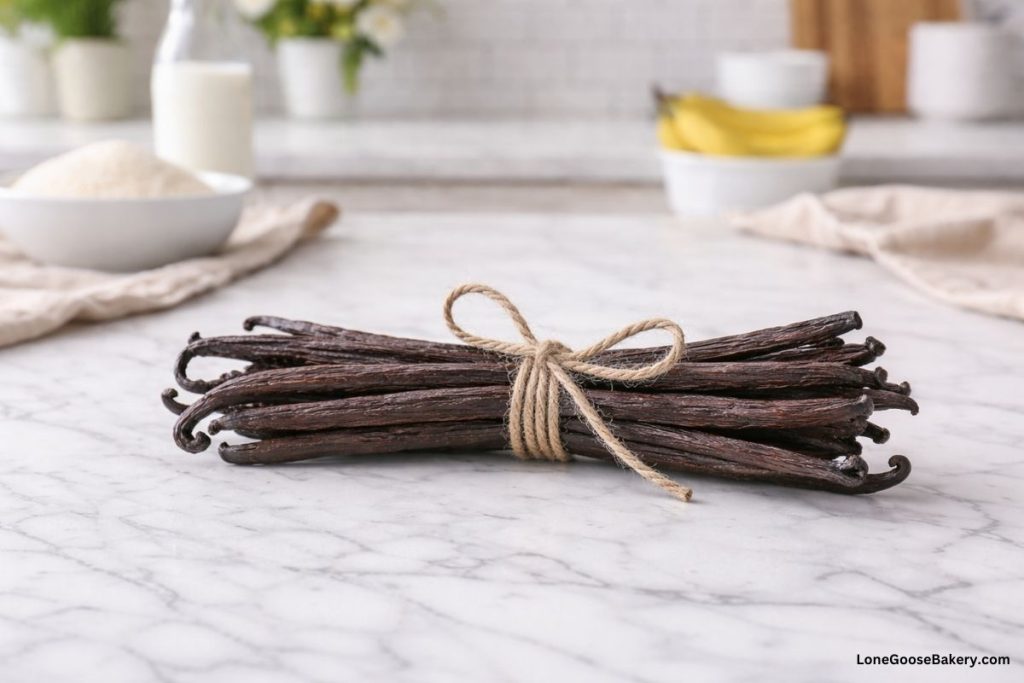
“Vanilla bean” usually indicates that the product uses actual vanilla bean ingredients and often has a richer aroma with more depth. It may include those tiny flecks of vanilla bean you can see.
Best for:
- People who want real vanilla flavor
- Premium coffee, espresso, lattes, macchiatos, cold foam, and whipped cream where vanilla is the main flavor
In coffee: vanilla bean products often taste more like a delicious coffee shop vanilla latte, especially in milk-based drinks.

3. French Vanilla
French vanilla is not a bean origin like Madagascar or Mexican vanilla. It’s a flavor style associated with French-style custard, traditionally made with egg yolks, which creates a richer, more “custardy” vanilla profile and often a slightly warmer, rounder taste.
This is why French vanilla ice cream often looks more yellow than regular vanilla. In coffee products, “French vanilla” usually means a richer, creamier vanilla profile rather than “more authentic vanilla.”
Best for:
- people who like a richer creamier vanilla flavor profile
- baked goods, ice cream, and coffee creamers
In coffee: French vanilla creamers and syrups often taste like “vanilla plus richness,” especially if they contain real vanilla bean ingredients.
Which one is best for coffee drinks?
Here is the simplest rule:
If you want the best vanilla taste with the least effort
Use vanilla syrup. It blends instantly in hot or iced drinks and sweetens at the same time, which is why coffee shops use syrup for consistency. (This also avoids the common problem of vanilla extract tasting harsh or separating in iced coffee). It is very versatile and perfect for lattes, macchiatos, cortados, cold foam, etc.
It blends instantly in hot or iced drinks and sweetens at the same time, which is why coffee shops use syrup for consistency. (This also avoids the common problem of vanilla extract tasting harsh or separating in iced coffee.)
Want the best natural vanilla flavor for your next coffee?
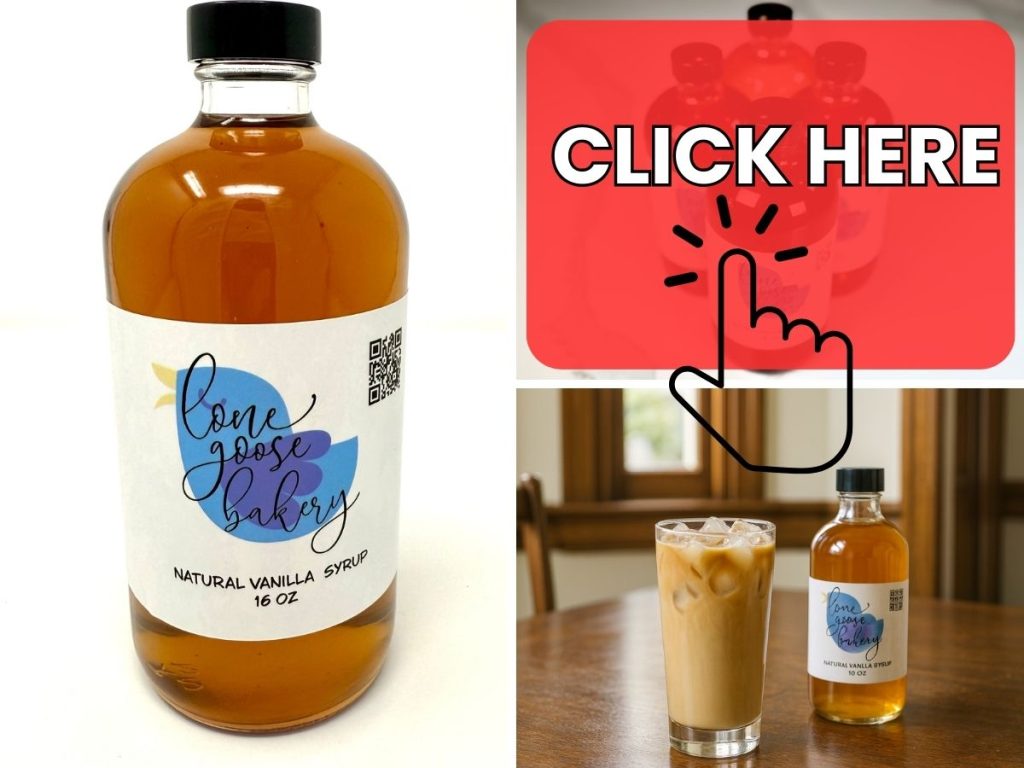
This small batch vanilla syrup uses the highest quality Madagascar Vanilla Beans to take any coffee (iced or hot) to the next level
If you are making a latte, macchiato or cold foam:
Choose high quality vanilla syrup (like the syrup listed above). Milk based drinks reward deeper vanilla.
If you are buying a store bought creamer
“French vanilla” is usually the a good call if you’re looking for rich vanilla flavor.
How to use each in common coffee drinks
Vanilla syrup (recommended for most people)
- Hot latte: 1 to 2 tablespoons, then adjust
- Iced coffee: 1 to 2 tablespoons, stir well
- Cold foam: start with 1 tablespoon per batch

See my post detailing the Best Vanilla Coffee Syrup on the market
Vanilla Extract
Use sparingly. It is concentrated and contains alcohol. It can taste harsh in iced coffee and does not sweeten on its own.
Best use case: baking-style drinks where sugar is already present, or when you are making a full batch syrup base.
Vanilla Bean Paste or Powder
Best when you want maximum vanilla character and you do not mind a slightly thicker texture.
Great for: mainly the best for baked goods
What to look for on labels if you want real vanilla
If you are trying to avoid vague vanilla flavoring, look for:
- natural vanilla
- vanilla extract
- vanilla bean
- vanilla bean paste
- vanilla powder
If a product says “vanilla” but the ingredient list primarily says “natural flavors,” it may still taste good, but it is not necessarily derived solely from natural vanilla beans.
FAQs
Is French Vanilla stronger than Vanilla
No, “French vanilla” usually means a creamier, richer vanilla profile rather than stronger vanilla intensity.
Does French Vanilla mean it has real vanilla beans?
No. It describes a flavor style. Some French vanilla products use real vanilla, and many do not.
Why does French Vanilla taste creamier?
The classic association comes from French-style custard bases made with egg yolks. In coffee products, brands mimic that custardy richness through flavor formulation.
What is best for iced coffee?
Vanilla syrup is usually best because it mixes cleanly and sweetens at the same time. This is especially true for iced drinks.

Final Recommendation
If your goal is the best vanilla coffee drinks at home, go with vanilla syrup for consistency and coffee shop flavor. This is true whether the drinks are hot or cold, and is also true for lattes, macchiatos, cortados, and cold foam. Choose vanilla bean when you want the deepest, most authentic vanilla character, especially in baked goods. Choose French vanilla when you want that classic rich and creamy vanilla profile often found in coffee creamers and desserts.

So wait – does that mean French vanilla is really just vanilla frozen custard?
I am planning on making French vanilla ice cream this weekend with the grandkids. Will try out your vanilla extract and report back.
Sounds great Julie, I hope you like it!